Charting Player Pathways Through Reward Allocations in Austria's Digital Casino Scenes
Freya Sullivan · Sep 23, 2026
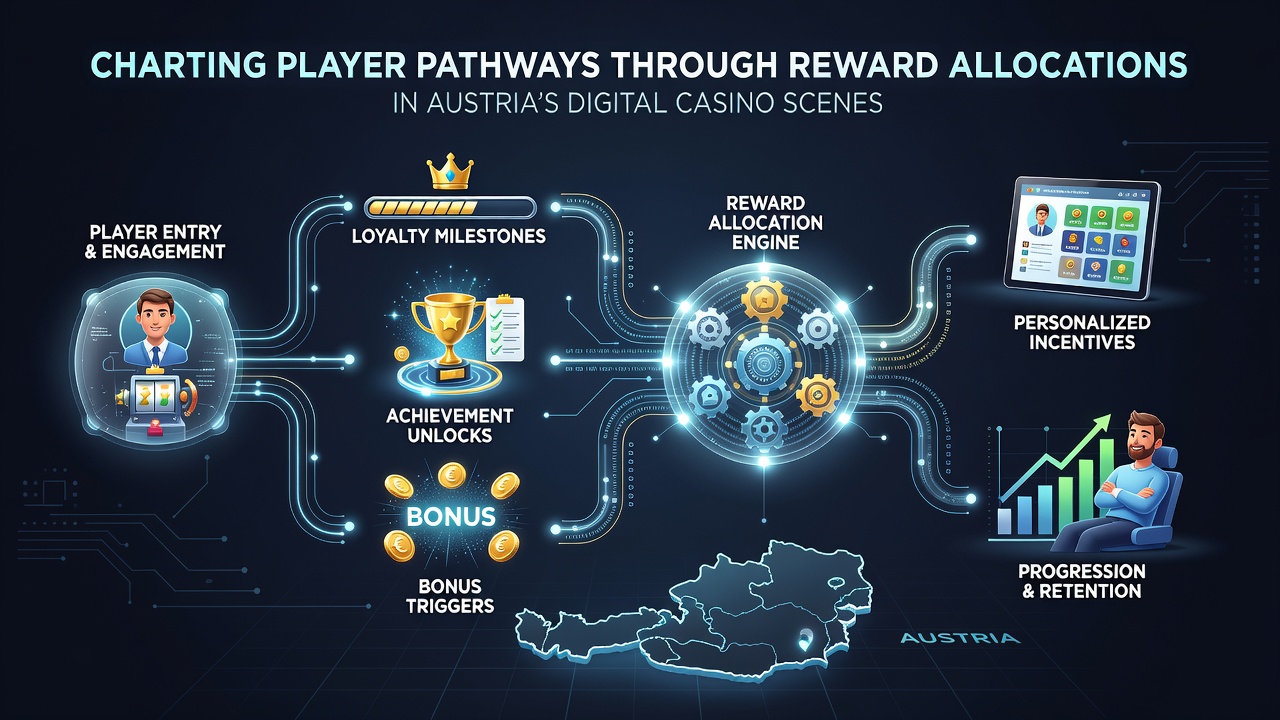
Charting Player Pathways Through Reward Allocations in Austria's Digital Casino Scenes
Player pathways in Austria's digital casino environments follow structured sequences where reward allocations determine progression from initial entry points through advanced loyalty stages, and data from regulatory filings indicate these systems operate under the framework established by the Glücksspielgesetz with updates tracked through 2025.
Operators allocate rewards through point-based mechanisms that accumulate based on wager volume, game type participation, and session frequency, while those who've examined Austrian platforms note that tier advancement often requires reaching specific thresholds within defined periods such as monthly or quarterly cycles.
Regulatory Framework Guiding Reward Structures
Austrian law requires transparent documentation of how rewards convert into tangible benefits like bonus credits or exclusive access privileges, and reports from the Austrian Federal Ministry of Finance highlight compliance checks conducted on an annual basis to ensure allocations align with player protection standards. Researchers at European academic institutions have analyzed these rules across multiple jurisdictions, finding that reward pathways in Austria emphasize verifiable transaction histories over promotional incentives alone.
September 2026 marks the scheduled implementation of enhanced digital reporting requirements that will standardize how operators log reward distributions across all licensed platforms, according to official announcements from the relevant oversight bodies. This shift builds on existing data collection practices that already track cumulative player activity in real time.
Mechanics of Point Accumulation and Tier Progression
Systems typically assign points at varying rates depending on the game category, with table games and slots contributing differently to overall totals, and industry analyses reveal that higher-value wagers accelerate movement toward premium tiers such as gold or platinum levels. Players advance when cumulative points cross predefined boundaries, unlocking benefits that include personalized reward schedules and priority event invitations.
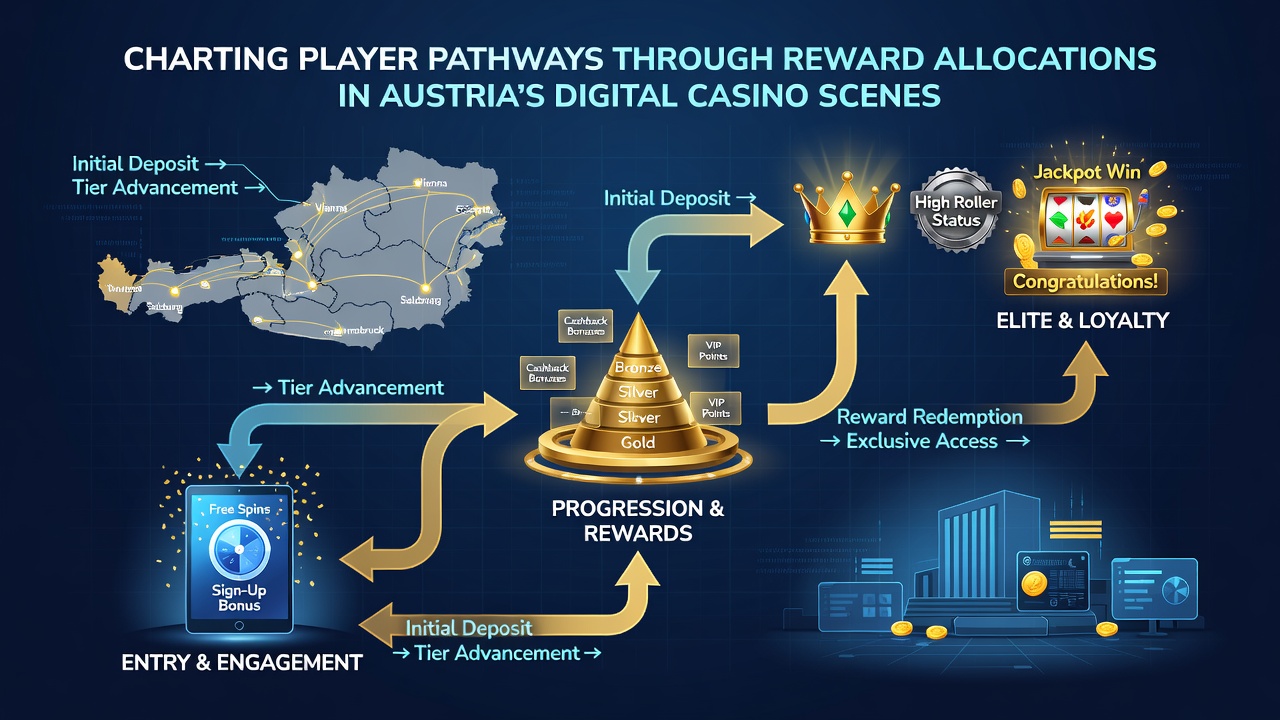
One study conducted by a Canadian research consortium examined similar allocation models in European markets and documented that consistent engagement over six-month windows produced measurable shifts in tier status for a significant portion of tracked accounts. Those patterns hold in Austrian contexts where mobile applications integrate the same point ledgers across devices.
Data Patterns in Player Advancement
Figures released by European gaming associations show average progression times from entry-level to mid-tier status ranging between four and eight weeks for active participants, while longer timelines appear among casual users who log fewer sessions. Allocation algorithms adjust for regional factors including currency handling and local tax considerations, creating pathways that reflect Austria's specific market conditions.
Academic papers from Australian universities have compared reward velocity across EU member states, noting that Austria's emphasis on verified identity protocols influences how quickly new accounts begin accumulating usable points. This verification step serves as the initial gate before any reward pathway activates.
Integration with Broader Loyalty Ecosystems
Reward allocations feed into larger loyalty frameworks that connect point totals to seasonal campaigns and milestone recognitions, and observers tracking these connections report that operators publish clear conversion tables mapping points to specific outcomes. External links appear in user dashboards directing players to detailed program rules hosted on official sites.
Trade group publications from the European Gaming and Betting Association provide comparative overviews of how different countries structure these integrations, with Austria positioned among those requiring explicit consent for data use in reward calculations. Such practices ensure pathways remain traceable for both operators and regulatory reviewers.
Conclusion
Player pathways through reward allocations in Austria's digital casino scenes rest on documented point systems, tier thresholds, and regulatory oversight that together define progression routes. Data from multiple sources illustrate consistent patterns in advancement timing and benefit unlocking, while upcoming changes scheduled for September 2026 will further standardize reporting across platforms. These elements combine to create measurable routes from initial participation to sustained engagement within the licensed environment.